Grandiflora Roses: Drama-Filled Flowers Just As Their Name Impplies
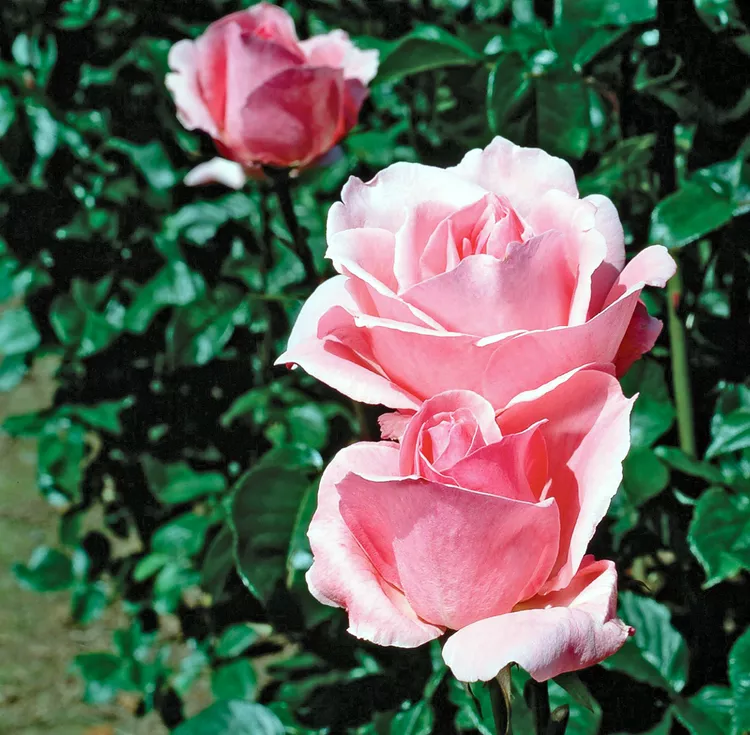
Grandiflora roses exceed their name, yielding fashionable, eye-catching flowers in a wide range of colors with pleasant fragrance. Grandiflora roses are durable in USDA Zones 4–9 and are perennial roses with a tall and willowy growth pattern, which makes them wonderful companion plants for perennials and shrubs in mixed border beds.
Michael Mckinley
Description of Grandiflora Rose
Genus & Common Name: Rosa, Grandiflora Rose
Plant Type: Perennial rose
Light: Full sun
Height: 4–6 feet
Width: 2–4 feet
Flower Colors: Orange, Pink, Purple, Red, White, Yellow
Foliage: Blue-green
Bloom Season: Summer
Special Features: Cut flowers, fragrance
USDA Zones: 4–9
Propagation: Stem cuttings
Where to Plant Grandiflora Roses
Select a sunny position with good drainage, as any dappled shade will cut down flowers, soften stems, and cut plant vigor. They are stunning specimen plants but can also be used towards the back of borders. Their tall stems suit cutting gardens perfectly, and placing them so their perfume can be appreciated at all times of the day adds to your garden’s atmosphere.
When and How to Plant
Plant grandifloras after your last spring frost or at least six weeks prior to the first fall frost so that roots will have time to become established. Plant each rose in a slanted hole, placing roots over a soil mound, and fill lightly with soil to remove air pockets. Plant the graft union 1–2 inches below the ground in cold climates; just above the ground in warm climates. Remove any growth below the union to avoid rootstock domination. Space plants about 6 feet apart for air flow and disease prevention.
Grandiflora Rose Instructions for Care
Light
Grandiflora roses need direct sunlight—at least six hours a day—to develop strong flowers and healthy foliage.
Soil & Water
Use well-drained loam with a near-neutral pH of around 7.0. Dig in heavy soil using potting mix and peat moss. Water morning at the base, not on the foliage. Water only when the top 2 inches of soil are dry, usually once per week.
Temperature & Humidity
Ideal growing temperature is around 70°F. Shade plants with shade cloth when temperatures rise above 80°F, especially in mid-day. To prevent freeze-thaw damage, cover or burlap insulate plants as frost comes and keep covered through spring.
Fertilizer
Fertilize as often as every six weeks with a slow-release rose fertilizer—on the surface and then water. Be sure to read label instructions to avoid over-fertilizing.
Pruning
Prune in late winter before new growth. Remove dead, diseased wood and cut back strong canes to four to six buds. Cut back older canes close to the ground to stimulate new basal growth and provide more air circulation. Remove faded flowers to cause reblooming.
Potting & Repotting
Sow potted grandifloras at least in a 15-gallon pot. Use the same methods as in-ground roses and repot when rootbound to extend life of the plant.
Pests & Diseases
Grandifloras can get regular rose diseases like black spot and powdery mildew. Prevent problems by growing in sun, pruning to allow air flow, and drying leaves. Monitor for rose rosette disease—call Roserosette.org for management details.
Propagation
You can propagate by softwood stem cuttings, but plants are most often grafted onto rootstocks, so cuttings will not be disease resistant. Use non-patented varieties and root cuttings in late spring or early summer off the new season’s growth. Plant treated cuttings in perlite-soil mix in humidity and warm and light (but not direct sun). Roots should develop in two weeks. Plant out once well established.
Popular Grandiflora Varieties
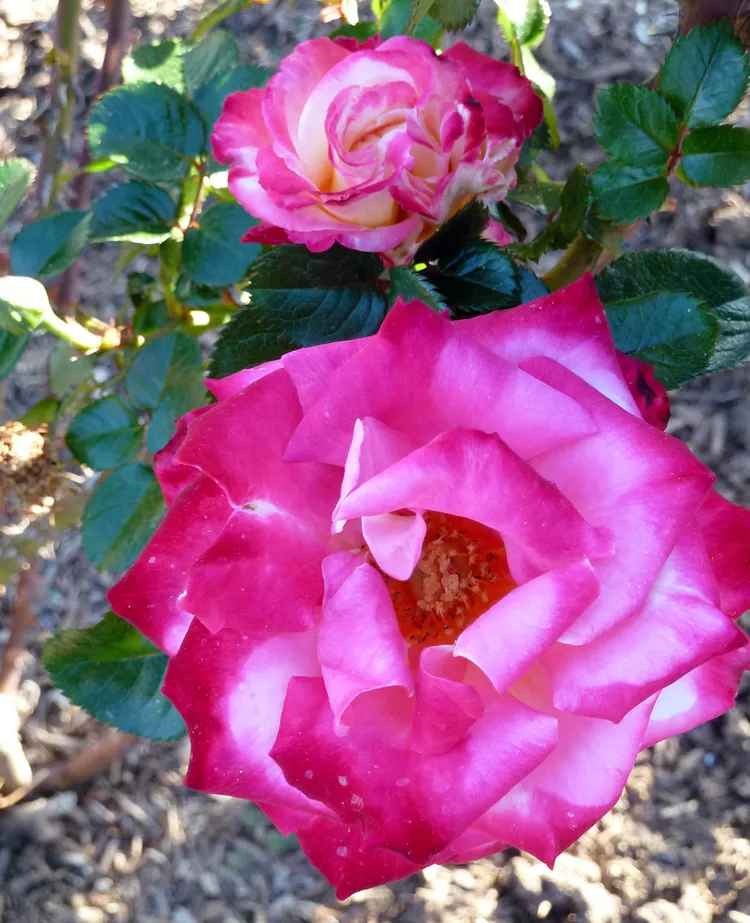
‘Dick Clark’
Credit: Denny Schrock
Soft pink ringlets from black-red blooms; Zones 6–9.
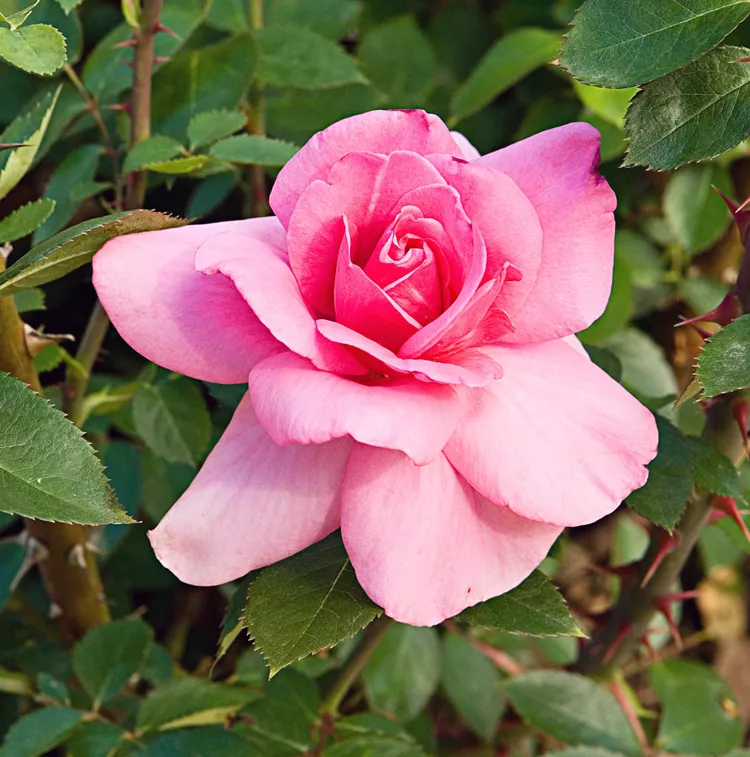
‘Earth Song’
Credit: Doug Hetherington
Transparent-pink, urn-shaped blooms on strong, upright plant; Zones 4–9.
‘Honey Dijon’
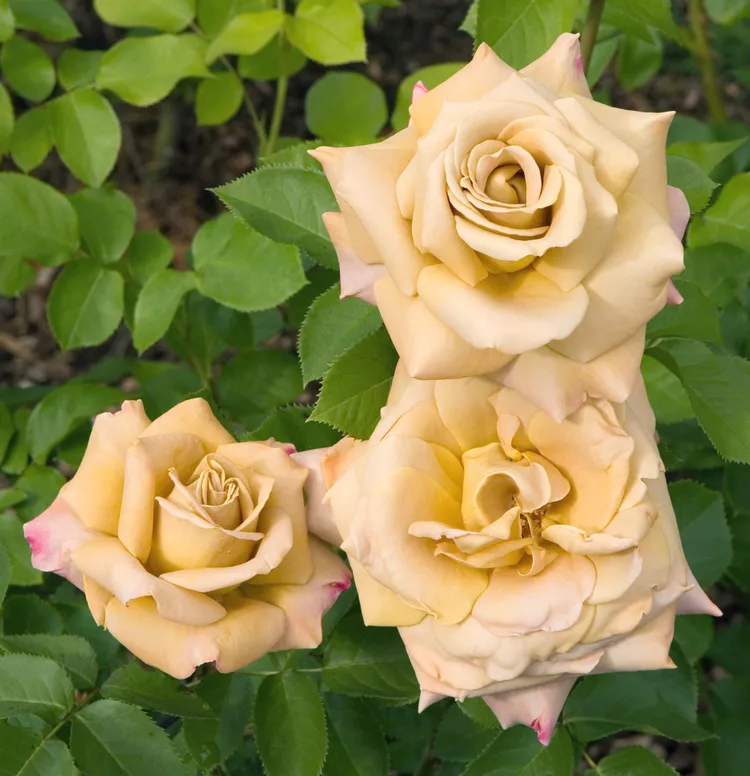
Credit: Doug Hetherington
Peach, brown, and pink with fruity scent; Zones 5–9.
‘Maria Shriver’
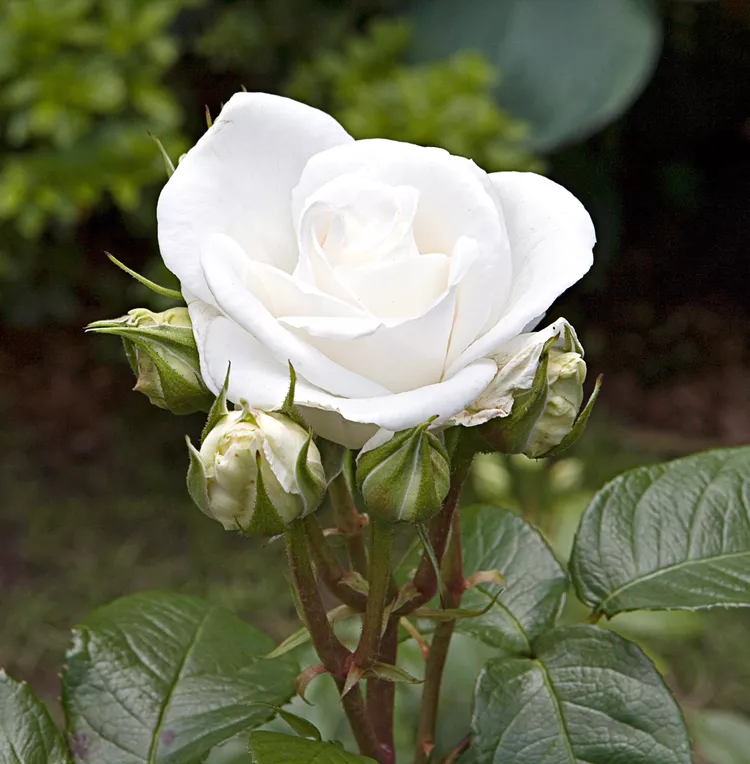
Credit: Doug Hetherington
White-cloud flowers with citrus scent; Zones 6–9.
‘Octoberfest’
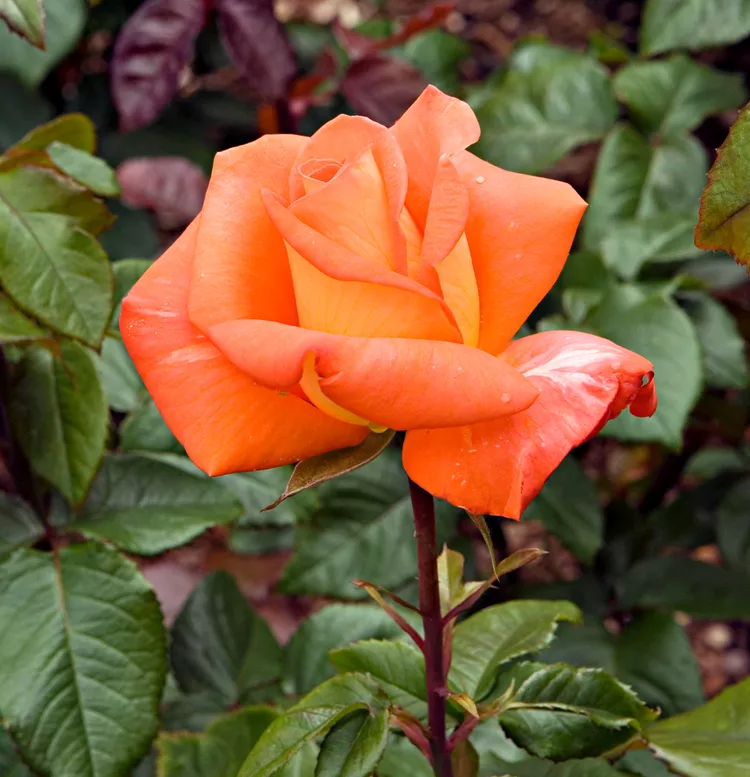
Credit: Doug Hetherington
Glowing red-orange-yellow tones and average scent; Zones 5–9.
‘Radiant Perfume’
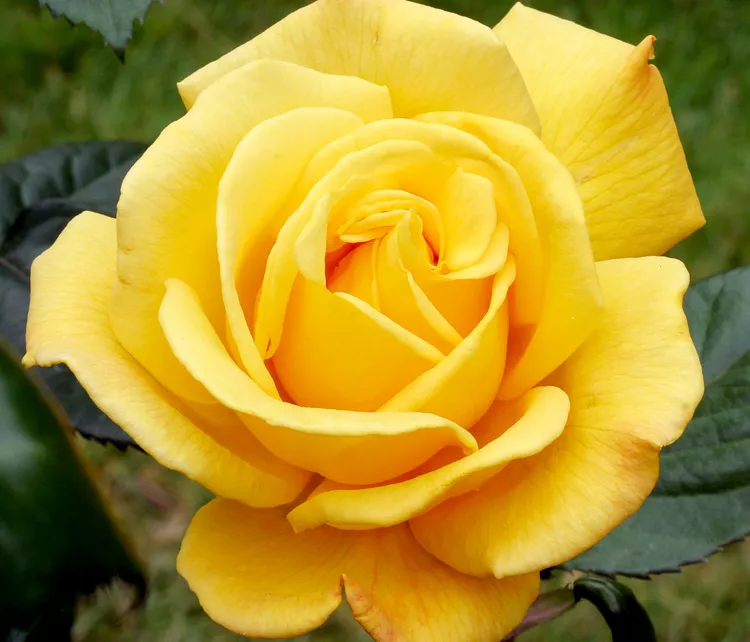
Credit: Richard Baer
Golden yellow blooms with citrus scent; Zones 5–9.
‘Queen Elizabeth’
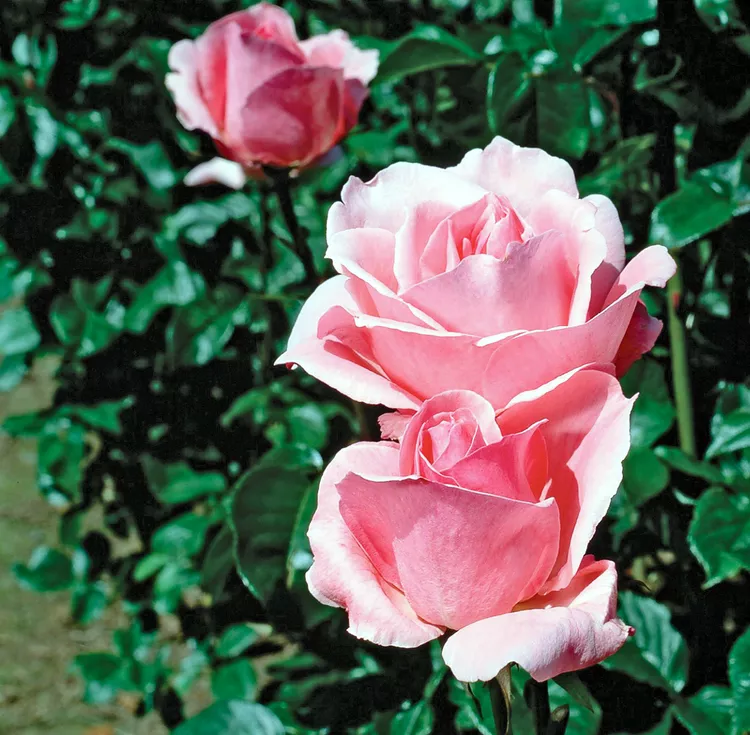
Credit: Michael Mckinley
Bronze-pink blooms with excellent disease resistance; Zones 5–9.
‘Tournament of Roses’
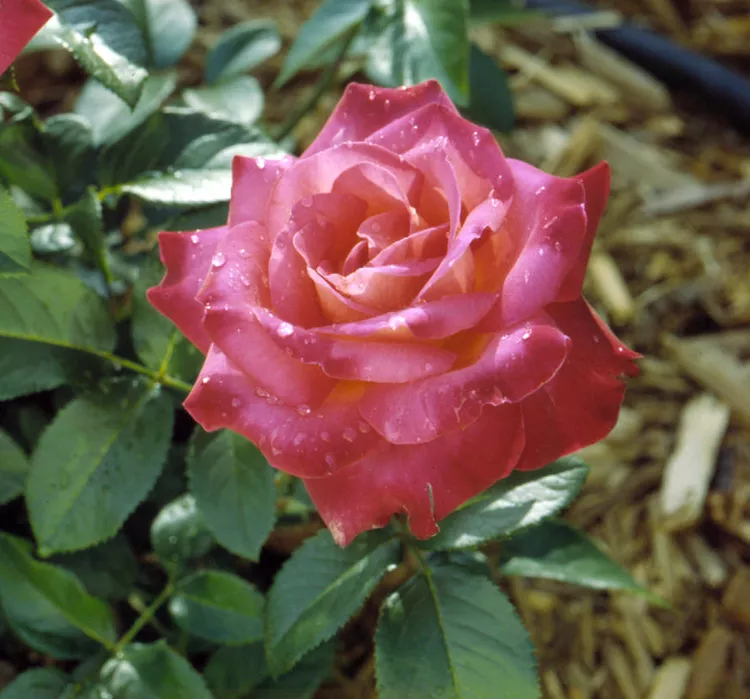
Credit: Peter Krumhardt
Beige-pink blooms with spicy scent and dark leathery leaves; Zones 5–9.
‘Scarlet Knight’
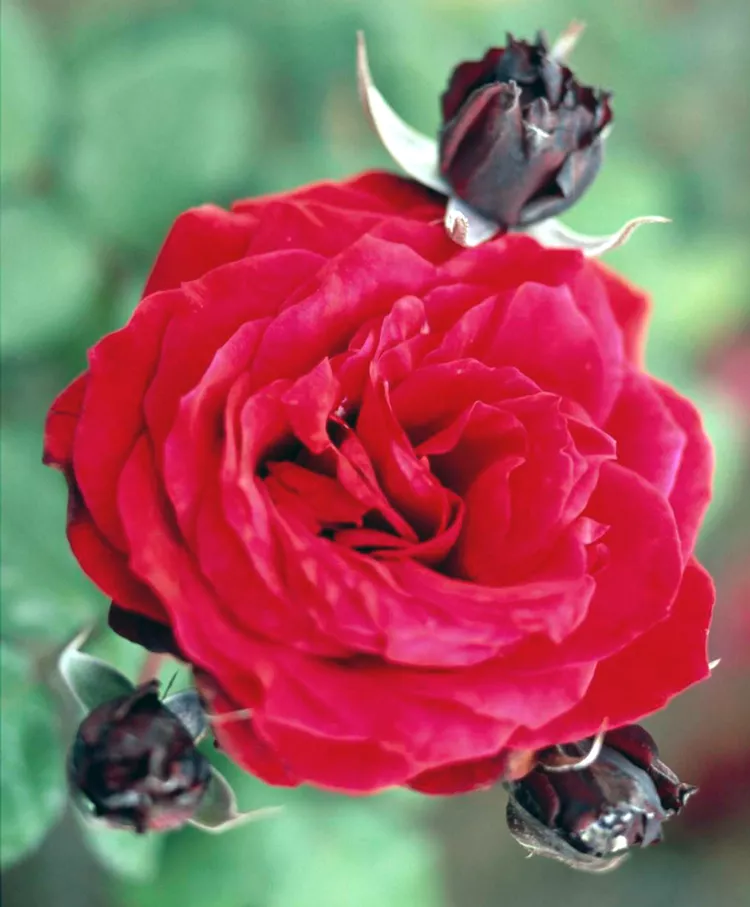
Credit: Ed Gohlich
Red flowers opening from nearly black buds; Zones 5–9.
‘Wild Blue Yonder’
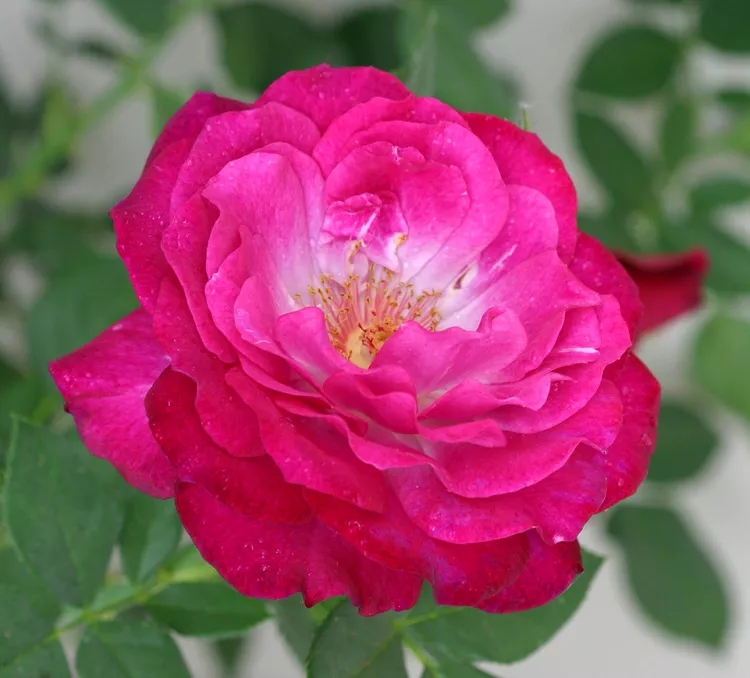
Credit: David Speer
Lavender-pink blooms with citrus-rose tea fragrance; Zones 6–9.