Since downsizing to our 1,400 square foot home three and a half years ago (for context: our previous home was over twice the size—3,150 square feet), you’ve probably heard us shout from the rooftops that smart storage is everything. And while that’s absolutely true, there are also some key layout choices that have made a big impact on how livable and enjoyable this smaller space really is.
Source: younghouselove.com
Whether you’re downsizing, house hunting, planning a new build, or just curious about what makes a small house feel large, here’s a rundown of our favorites—and one important « heads up » we felt was worth sharing before you make any significant layout choices.
#1: Bedroom Separation Is a Game Changer

Source: younghouselove.com
This layout feature ranks #1 for a reason—and after living with it, we’d have a hard time going back. The simple genius of our floor plan is that none of our three bedrooms share walls. The kids’ rooms are separated by a hallway, and our bedroom is on the opposite side of the house (all on the main level).
This configuration enables us all to sleep better (we can have the TV on or laugh late at night without disturbing anyone), and the kids get walled-off space—even if they’re playing different music or listening to podcasts at the same time.
People often worry that small homes feel like you’re « on top of each other, » but this layout completely squashes that concern for us. Even our old home (twice the size!) had our bedroom sharing a wall with our son’s room. This new configuration? It feels downright luxurious.
#2: Two Separate Living Areas (One on Each Floor)
At first, I had imagined converting the large downstairs room (around 22 feet wide, roughly the same width as our old kitchen) into a combined kitchen and dining area—reserving upstairs for our main living room. But what we actually did instead was construct a casual seating area downstairs, and it’s one of the things we did best.
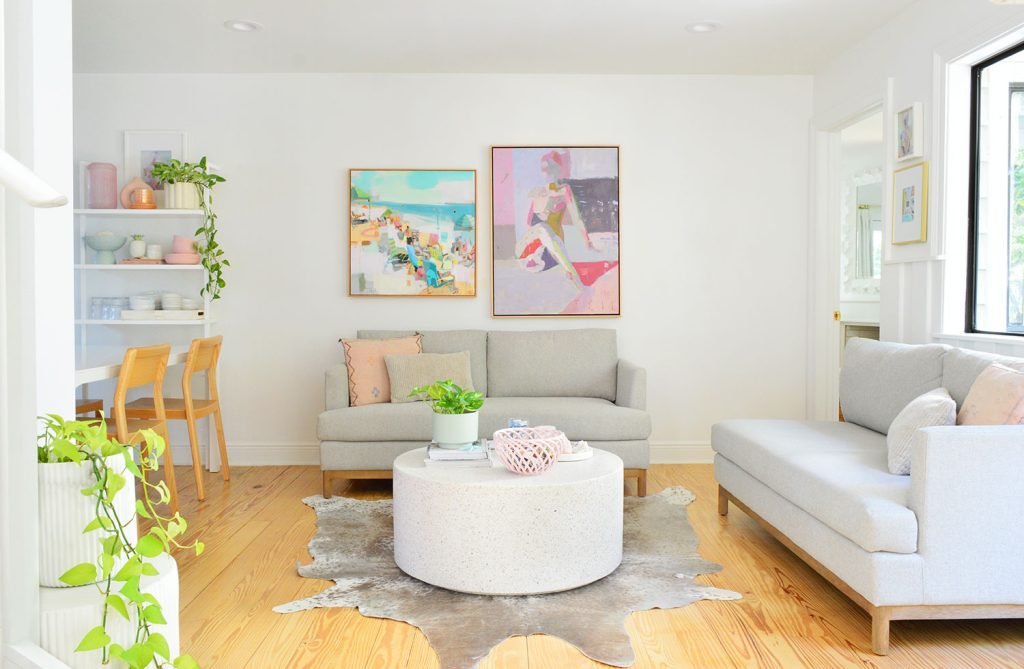
When we remodeled the kitchen last year, we adopted the double-duty idea and designed the entire room for cooking and relaxing. With two plush sofas now, it’s a real center—used morning, night, and really whenever company drops by.
And yes, we do still have a big upstairs family room (more details to come in a minute), so this leaves us with two totally distinct zones. Kids can view movies upstairs and adults can mingle downstairs, and everyone has elbow space—even with parties of 10+.
It might be efficient to duplicate « sitting areas » in a smaller residence, but having them separated on different levels makes all the difference. We utilize both a lot.
#3: One Enormous Multi-Purpose Room on the Second Floor

Source: younghouselove.com

Source: younghouselove.com
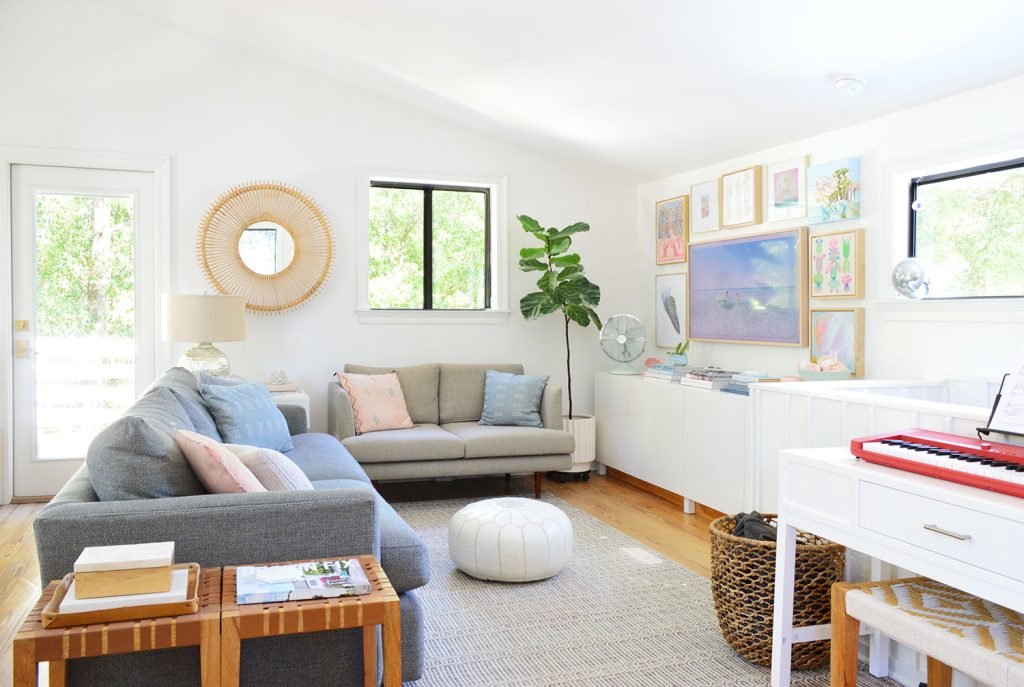
Our second floor is one enormous, multi-purpose room—and it took the place of a few rooms in our old house.
We call it the family room, but it serves as:
An office (gracias to a window desk and storage drawers)
A homework and craft station (hello, double desk and 12 craft drawers)
A TV and sleepover lounge
A music room with a piano keyboard station
Source: younghouselove.com
It’s a total workhorse. The oversized sofa, rug, and movable furniture make it incredibly versatile. It easily absorbs noise, mess, and kid chaos—plus, since it’s upstairs, it doesn’t interfere with the rest of the house. During get-togethers, kids run up here while adults gather downstairs, and everyone has their space.
We’ve had art projects, pillow fights, movies, and massive blanket forts all happen up here—often in the same weekend.
#4: Multiple Outdoor Spaces
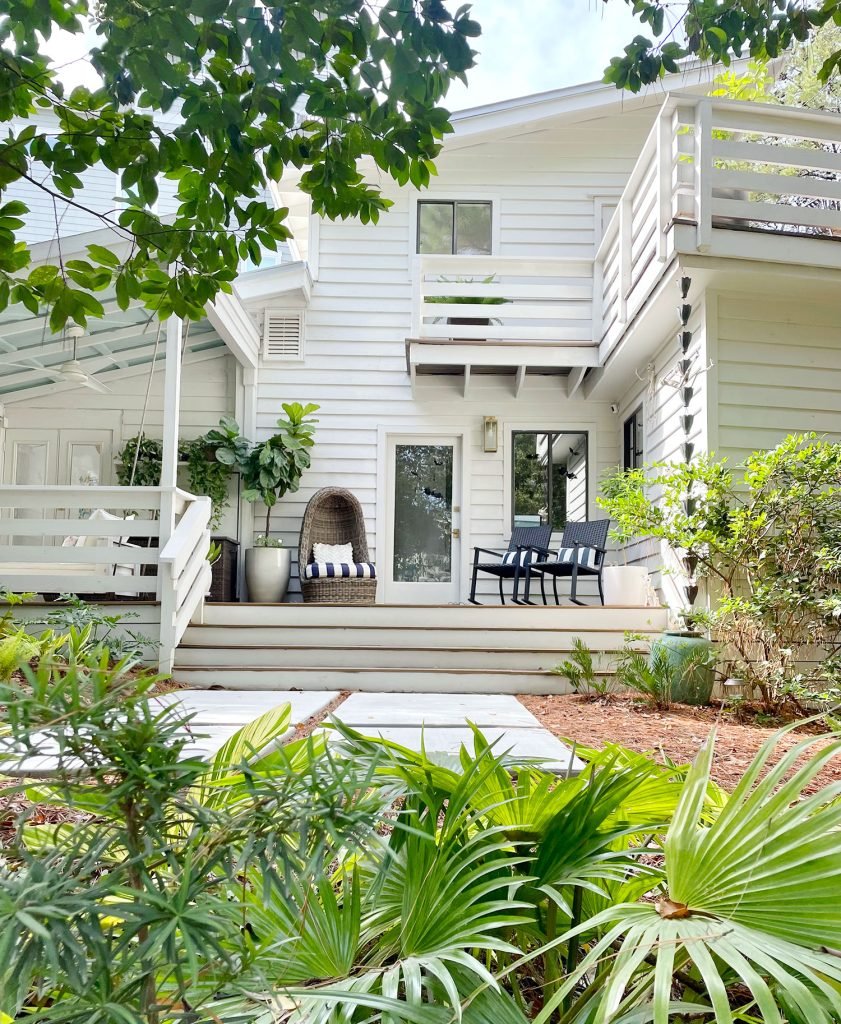
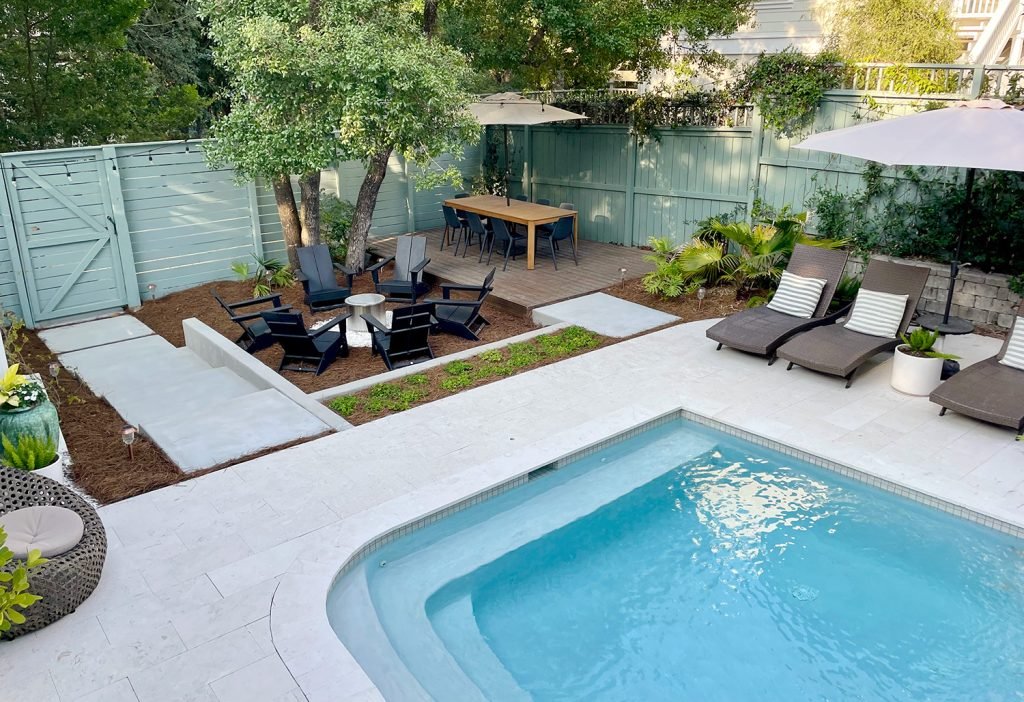
Our new property is only 1/10th of an acre (less than the whole acre at our last house), but we’ve carved out so much usable space outside that it really feels like it’s a larger home.
Here’s what we have:
A front porch with a suspended daybed and rockers
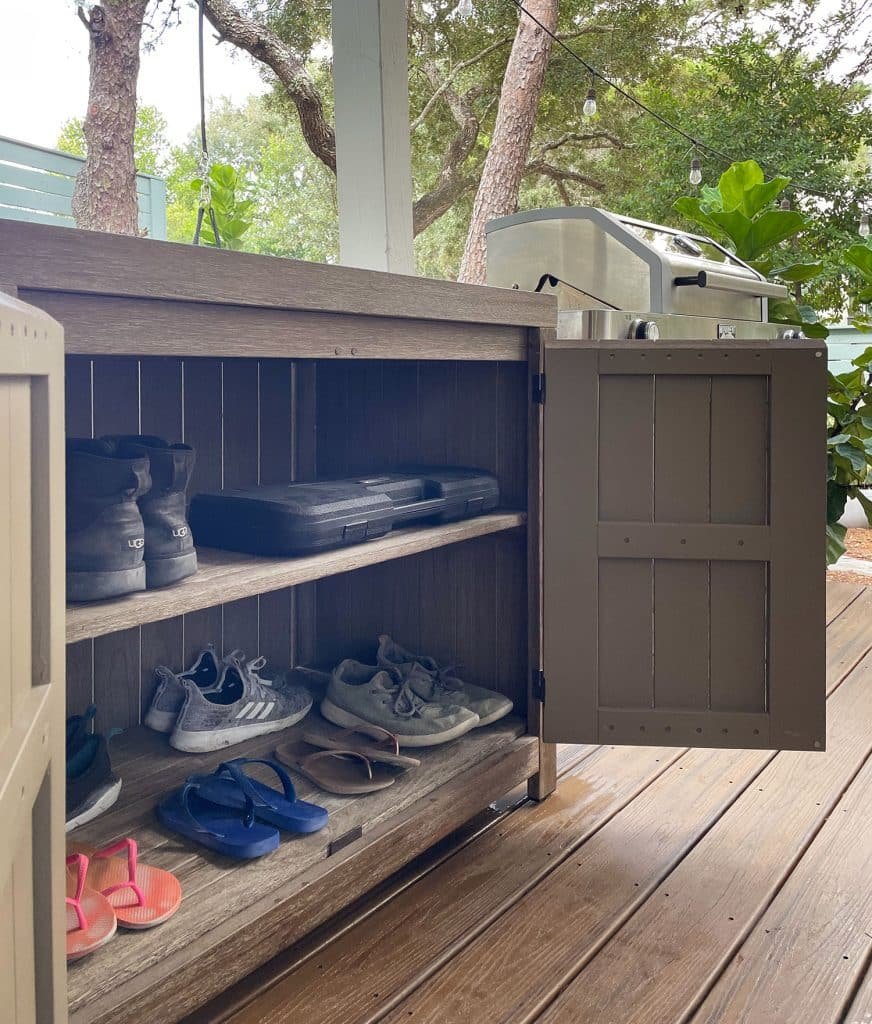
A kitchen porch with shelves and a grill
An upstairs deck nearly as large as the family room (perfect for entertaining)
A firepit area, lounge area, and dining space (we accommodate 19 chairs!)
Source: younghouselove.com
Source: younghouselove.com
We’ve also relocated a large water heater to the back of the house and store our shoes outside—saving valuable interior storage. And, with a milder climate, we use these outdoor areas almost year-round.
It’s no exaggeration to say our outdoor areas are like bonus rooms, and they make our smaller footprint feel much larger.
#5: Lots and Lots of Glass
Source: younghouselove.com

Source: younghouselove.com
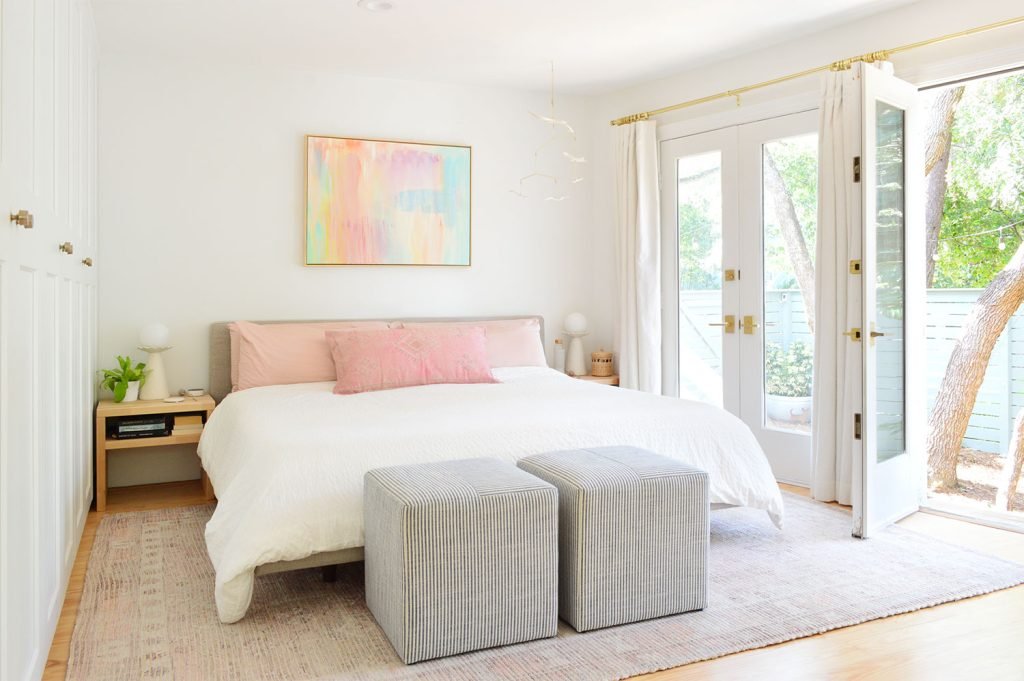
Another surprise benefit of this house: the amount of windows and glass doors. Even though the house is smaller, it has four times as many glass doors as our old place—12 compared to only 3.
This abundance of glass serves two purposes:
It fills the home with natural light, making each room feel bright and airy.
It extends your view outside walls, making rooms feel larger because the outside became part of the visual space.
This was actually a shock. On our foggy closing day, the house looked dark. But after we removed ancient blinds and moved in, we realized how much light we had to play with. It’s become one of our favorite things—and one reason we’ve eschewed window treatments (apart from the bedrooms).
#6: Preferring Living Space Over Pass-Through Space
Source: younghouselove.com
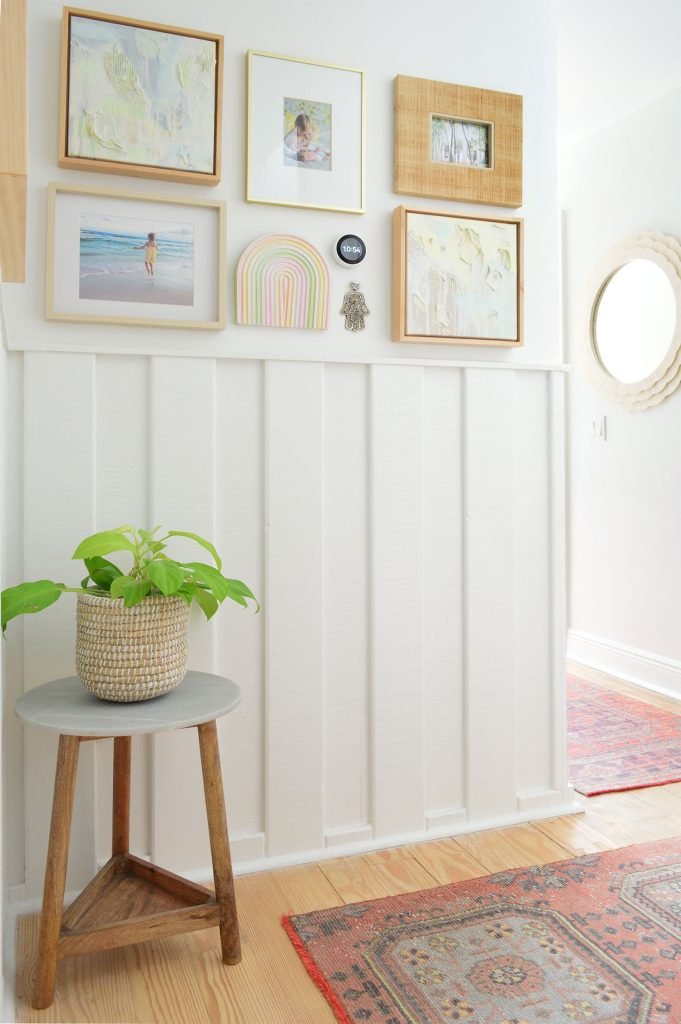
This one may be a little harder to explain, but it’s one of the most impactful layout choices: our home has very little square footage devoted to just getting from place to place.

Source: younghouselove.com
Apart from a short hallway and a small stairwell, almost every square foot is usable living space. We’ve avoided long hallways, oversized foyers, or open staircases that eat up precious square footage.
For example, a more open staircase will be dramatic-looking, but we’d be losing a big section of cabinetry and our refrigerator. We’d lose our favorite sitting spot in the kitchen if we wanted a bigger foyer. That kind of sacrifice just wouldn’t be feasible for us.
In a small home, employing lived-in, multi-purpose space instead of transitional or decorative space can be real room-enhancer.
Layout Caveat: A Bedroom Off the Main Living Area

Source: younghouselove.com
We adore our bedroom location (directly off the downstairs living area), but mention should be made of how it actually ends up being used—because it may not be ideal for all.
In our old house, the bedroom was upstairs and barely used during the day. Now, it’s one of the most trafficked rooms in the home. The kids sprawl with the dog, we take work calls or work on puzzles there, and our son even claimed it as his go-to summer reading location.
It’s now more of a shared space than a private one—except at night, when it finally becomes our quiet haven.
If you’re the type who craves a super-private retreat, know that a bedroom in the middle of the house might get more everyday traffic than you anticipate—particularly if you turn it into a cozy cocoon like we did.